




Corporate events were a huge part of how businesses in India connected, communicated, and built relationships. From product launches and networking summits to training sessions and leadership meets, these events kept the business world moving. They also created steady work for hotels, caterers, transport providers, freelancers, and event planners. But once COVID hit, the industry was forced to pause.

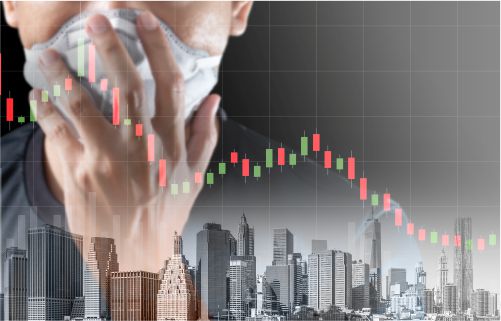
While other industries made headlines for being affected, the event space quietly took a major hit. These gatherings helped fuel business travel, hospitality, logistics, and local vendors. With no events happening, there was less business activity, which added to the slowdown India experienced during the pandemic. From 2020 to 2025, especially in the first couple of years, the absence of live events meant companies had fewer platforms to launch ideas, connect with clients, or showcase products. All of this, in a chain reaction, played a small but real role in India's GDP decline, especially during 2020–21.
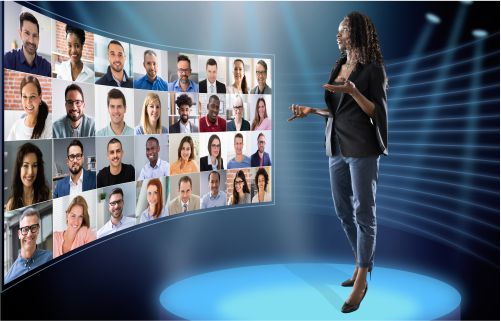
Still, the industry didn't stay down for long. Instead of waiting for live events to return, companies turned to digital options. Virtual meetings, webinars, online launches, and digital conferences became the new way to connect. These formats helped companies stay visible, reach wider audiences, and reduce costs. Hybrid events also gained popularity, mixing smaller physical gatherings with large online participation. This shift created new opportunities tech support, virtual production teams, and digital content planning all became essential. In many ways, this period helped the industry explore better ways to engage people using both technology and creativity.
As things slowly opened up, events began to return but they came back differently. By 2025, companies were more focused on quality than quantity. Events became more purposeful, smaller in size, and tech-integrated. Safety, audience experience, and measurable results became priorities. Also, many companies started exploring Tier-2 cities like Coimbatore, Jaipur, and Kochi for hosting events giving a boost to local economies. The event industry once again started supporting jobs, boosting vendor income, and contributing positively to the economy.
Between 2020 and 2025, India's corporate event industry went from being completely shut down to becoming more innovative, flexible, and focused. What started as a major setback turned into a much needed transformation proving that even during tough times, new ideas can lead to stronger comebacks and long-term growth.
By 2022, live events started making a cautious return. But they looked different. There was more focus on quality, safety, and digital integration. Events became smaller in size but sharper in execution. Companies focused on impact measuring outcomes, enhancing experiences, and using tech to increase reach. Interestingly, Tier-2 cities started gaining attention as new event destinations, spreading economic benefits beyond just metro areas.
We at Shubharambh Productions with it's reputation as the best Event Management Company in Bangalore believed in the necessity of connection and communication and was an early mover in the Virtual space as well as introducing more Hybrid models in events across their Clientele. Understanding the pulse of the Indian companies and growing with them further on.